If you're dealing with pain, stiffness, or an injury and trying to figure out whether to book physiotherapy or osteopathy, you're not alone. It's one of the questions we hear most often at Bolder Health and Performance, and it makes sense: both are hands on, both help with musculoskeletal issues, and both can genuinely help you feel better. The right choice just depends on what's going on with your body and how you want to approach treating it.
Since we offer both physiotherapy and manual osteopathic therapy under one roof in SE Calgary, we get to see firsthand how each approach helps different patients. Here's a breakdown of what each one actually involves, so you can make a more informed choice.
What Does an Osteopath Do?
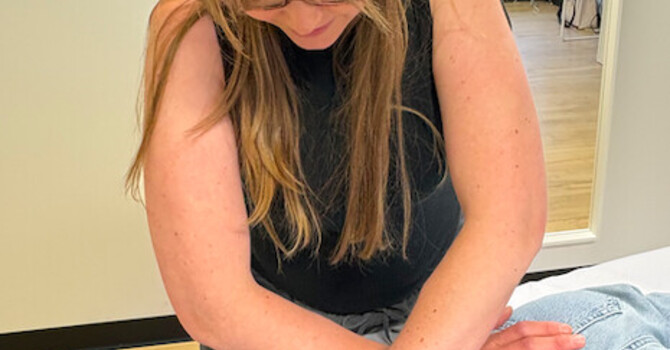
Manual osteopathic therapy is a hands on approach that looks at the body as a connected system rather than treating one area in isolation. An osteopath assesses restrictions and imbalances across joints, muscles, fascia, and connective tissue, then uses manual techniques to help restore normal movement and function throughout the body.
The idea behind osteopathy is that pain in one area is often connected to tension or restriction somewhere else entirely. Someone with chronic headaches, for example, might actually be dealing with restriction in the neck and upper back that's been building for months. An osteopath works to find and address those underlying patterns, not just the spot that hurts.
At Bolder Health, this work is done by Cheyenne Sandeman-McKeel, who brings a kinesiology and psychology background to her osteopathic practice, meaning she considers movement patterns, lifestyle, and the connection between body and mind as part of your care.
What Does a Physiotherapist Do?
Physiotherapy tends to focus more specifically on injury, movement rehabilitation, and building strength and mobility back up through targeted exercise. If you've had a specific injury, surgery, or a movement limitation you're trying to work through, physiotherapy is often the more direct path.
A physiotherapist will typically assess your movement, strength, and range of motion, then build a treatment plan that combines hands on techniques with a progressive exercise program. This makes physiotherapy especially well suited for sport injuries, post-surgical recovery, and rehab that requires ongoing strength building over time.
Key Differences Between the Two
The biggest difference comes down to approach. Osteopathy takes a whole-body view and works to address root causes across interconnected systems. Physiotherapy tends to be more targeted, focusing on a specific injury or movement limitation with a structured rehab plan.
Neither one is better than the other, they're just built for different situations. In fact, many patients at Bolder Health benefit from both, working with a physiotherapist on injury rehab while also seeing an osteopath for more whole-body tension and restriction.
Which One Is Right for You?
If you're dealing with a specific injury, recovering from surgery, or working on strength and mobility for sport or daily activity, physiotherapy is likely your starting point. If you're dealing with recurring headaches, postural strain, general stiffness, or pain that doesn't seem tied to one clear injury, osteopathy might be a better fit.
If you're not sure which applies to you, that's completely normal, and it's exactly what your first appointment is for. Both of our practitioners will talk through your symptoms and history with you before recommending a path forward.
Getting Started at Bolder Health
Because Bolder Health and Performance offers both physiotherapy and osteopathic manual therapy in one SE Calgary clinic, you don't have to figure out the right fit entirely on your own. Our team can help point you toward the approach that makes the most sense for your situation, and coordinate care between practitioners if that ends up being the better path.
Ready to get started? Book an appointment with Cheyenne for osteopathy or with our physiotherapy team, and we'll help you find the right approach from there.